Uncategorized

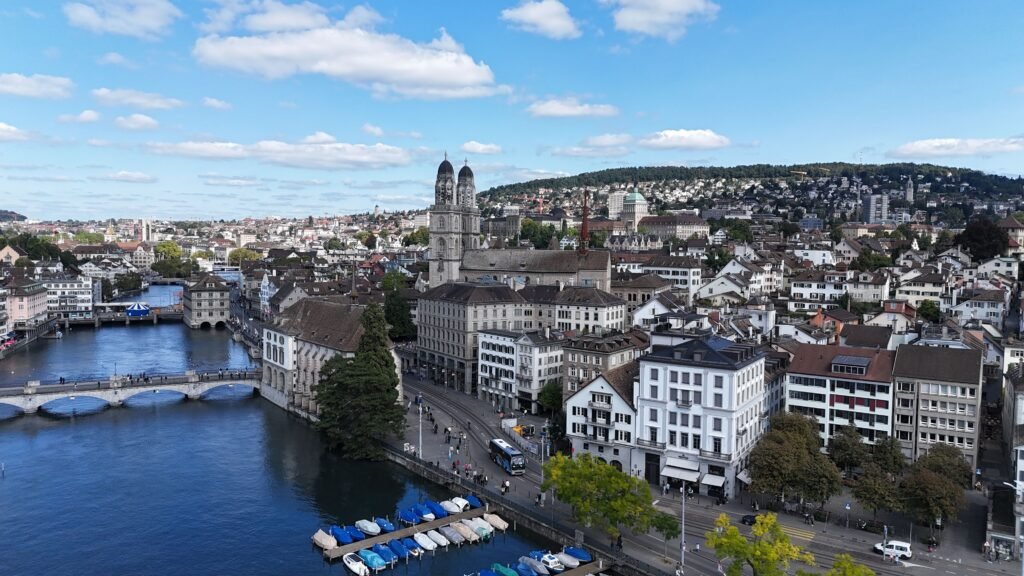
Aerial cityscape of Zurich, showcasing historic architecture, river, and Limmatquai under a vibrant blue sky.
Uncategorized

The 2026 Zurich Airport Car Rental Survival Guide: How to Skip the Lines

The 2026 Zurich Airport Car Rental Survival Guide: How to Skip the Lines Article Outline (Structured Hierarchy) Why Zurich Airport (ZRH) Is a Critical Entry Point Passenger Traffic and Strategic Location Zurich Airport isn’t just Switzerland’s busiest aviation hub—it’s the nerve centre of Alpine travel. Every year, tens of millions of passengers funnel through its terminals, many of them heading straight towards iconic mountain destinations like Zermatt, St. Moritz, or Interlaken. The airport’s efficiency is widely praised, but that doesn’t mean your arrival experience will automatically be smooth—especially when it comes to car rentals. With such a dense influx of travellers arriving within tight time windows, rental counters often become bottlenecks, particularly during ski season and summer holidays. If you land at peak hours, you’re essentially stepping into a queue marathon unless you’ve prepared ahead. What makes Zurich Airport uniquely important is its proximity to major motorway networks. Within minutes of leaving the airport, you can connect to Switzerland’s immaculate highways, making it the ideal launch point for a road trip. That’s why many seasoned travellers skip trains altogether and opt for car rentals. The flexibility to stop in lakeside villages, explore hidden valleys, or adjust your itinerary on the fly is hard to beat. But here’s the catch: that freedom comes at the cost of time—unless you know how to bypass the usual friction points. Why Renting a Car at ZRH Makes Sense Renting a car at Zurich Airport is less about convenience and more about control. Public transport in Switzerland is exceptional, but it doesn’t always align with your schedule, especially if you’re arriving late or travelling with bulky ski gear. A rental car eliminates those constraints. You’re not tied to train timetables or forced to navigate multiple transfers. Instead, you walk out, grab your vehicle, and hit the road. There’s also a cost argument to consider. While Swiss trains are efficient, they can be expensive—particularly for families or groups. Splitting a rental vehicle often works out cheaper, especially if you’re travelling across multiple regions. Add to that the ability to reach off-grid locations—remote chalets, scenic passes, lesser-known ski resorts—and the value proposition becomes clear. The only real obstacle? Getting your car quickly without wasting an hour in line. Understanding Zurich Airport Layout Before You Land Terminal Overview at ZRH Zurich Airport operates with a streamlined but expansive layout that can initially feel overwhelming. It consists of multiple terminals connected via underground trains and walkways, all designed to handle high passenger throughput efficiently. Arrivals are typically funnelled through a centralised area where signage is clear—but only if you know what you’re looking for. Many travellers lose time simply navigating the airport because they haven’t mapped their route in advance. The key to efficiency is understanding that car rental services are not scattered randomly. They’re consolidated in a specific area designed to centralise operations and reduce confusion. That area is Parking 3, and it’s where your journey truly begins if you’re renting a vehicle. The Role of Parking 3 in Car Rentals Where to Find Parking 3 Parking 3 is the epicentre of all major car rental operations at Zurich Airport. Located directly adjacent to the main terminal complex, it’s easily accessible via clearly marked pedestrian routes. Once you exit arrivals, you’ll see signage directing you towards “Mietwagen” (car rental). Follow that, and within minutes, you’ll arrive at Parking 3. The structure itself is multi-level and highly organised. Rental desks are located on one of the main floors, while the vehicles are parked above. This vertical integration means you don’t need to take shuttle buses—a major advantage compared to other European airports. How Rental Desks Are Organised Inside Parking 3, rental companies are lined up in a row, each with its own counter. During peak hours, this area becomes congested, with queues stretching across the hall. Without pre-booking or fast-track options, you could easily spend 45–90 minutes waiting. The layout is efficient, but volume is the issue. That’s why knowing how to bypass these desks altogether is critical. The Biggest Problem: Long Car Rental Queues Peak Times and Travel Seasons If you arrive between 08:00–11:00 or 17:00–20:00, you’re entering the danger zone. These are peak arrival windows when multiple international flights land simultaneously. Add winter ski season or summer holidays into the mix, and demand spikes dramatically. Rental desks simply can’t process customers fast enough during these surges. The issue isn’t inefficiency—it’s volume. Even well-staffed counters struggle when hundreds of travellers need vehicles at the same time. This creates a cascading delay effect, where each transaction adds a few minutes, eventually leading to long wait times. Common Mistakes Travellers Make One of the biggest mistakes is assuming you can “just rent on arrival.” While technically possible, it’s a gamble that rarely pays off during busy periods. Another error is failing to complete online check-in steps, which means you’ll need to go through full documentation at the desk. Travellers also often underestimate how long the process takes, cutting into valuable travel time. The Fastest Way Out: Digital Check-Ins and Fast Lane Access What Is Auto Europe Fast Lane? Auto Europe’s Fast Lane is essentially a pre-clearance system designed to eliminate desk interactions. Instead of queuing, you complete your documentation online before arrival. When you land, you head directly to a priority counter—or in some cases, straight to your vehicle. This system leverages digital verification to streamline the process. Your ID, licence, and payment details are already validated, so there’s no need for lengthy checks. Think of it like airline online check-in, but for your car. Step-by-Step Fast Lane Process This approach can reduce your wait time from over an hour to under 10 minutes. For anyone trying to reach the Alps quickly, that time saving is significant. Pre-Booking Strategies That Actually Work When to Book Your Rental Timing matters more than most people realise. Booking at least 2–4 weeks in advance secures better rates and guarantees vehicle availability. Last-minute bookings often result in limited options and inflated prices. Early
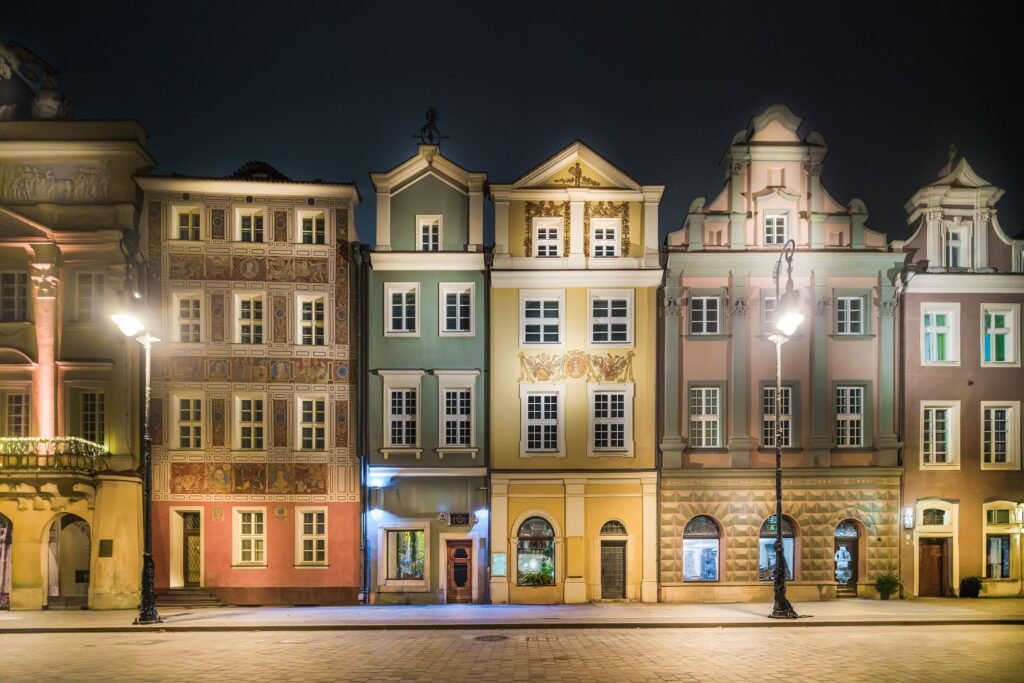
Stunning night view of colorful historic buildings in Poznań, Poland's Old Town Square.
Uncategorized

Gdańsk Airport Car Hire: A Complete Guide for First-Time Visitors

Planning to rent a car at Gdańsk Airport? Compare vehicles, understand rental costs and insurance, and discover practical tips for exploring northern Poland. Gdańsk Airport Car Hire: A Complete Guide for First-Time Visitors Imagine landing at Gdańsk Lech Wałęsa Airport after an early flight. You’ve collected your luggage, your hotel is waiting, and your plans extend beyond the colourful streets of Gdańsk’s Old Town. Perhaps you and your partner want to explore the Baltic coastline, your family needs space for luggage and child seats, or you’re travelling for business and need a reliable way to reach several appointments. Then comes the practical question: should you book a rental car at the airport, and how do you make sure you choose the right one? For first-time visitors, car hire can seem complicated. Prices vary, insurance terms can be confusing, and choosing a vehicle without understanding your itinerary can lead to unnecessary costs. Yet the right rental can give you greater flexibility, particularly when your plans include Sopot, Gdynia, the Hel Peninsula or destinations beyond the city. Gdańsk is also attracting a growing number of air travellers. According to Gdańsk Airport’s official figures, the airport handled 7,393,016 passengers in 2025, an increase of more than 10% compared with 2024. In the first six months of 2026, it handled another 3,694,606 passengers, up 11% year on year. These figures demonstrate the scale and growth of air travel through the region, although they do not measure car rental demand specifically. In this guide, you’ll learn how Gdańsk Airport car hire works, how to compare rental options, which vehicle suits your trip, what to check before collecting the keys and when hiring a car is actually worthwhile. 1. Should you hire a car at Gdańsk Airport? Gdańsk Airport is located approximately 10 kilometres west of the city, and car rental services are available at the airport. Whether collecting a car immediately is the best decision depends on how long you’re staying and where you intend to go. A rental car can be particularly useful if you’re planning to explore several destinations, travel with children, carry substantial luggage or leave the main city area. It can also be practical for business travellers attending meetings at multiple locations. However, you don’t necessarily need a car for a city break centred on Gdańsk’s historic centre. The airport has bus and rail connections, and taking public transport into the city before hiring a car later may prove more economical. The airport’s official rail guidance explains that journeys to Gdańsk’s central railway stations require a transfer at Gdańsk Wrzeszcz. Airport buses also connect with the surrounding transport network. The following comparison can help you decide: Your travel plans Is airport car hire a good choice? A short city break focused on Gdańsk Old Town Compare public transport with the total cost of a rental and parking A couple exploring Gdańsk, Sopot and nearby coastal towns Often useful for a multi-stop itinerary A family carrying luggage, prams or child seats Can offer greater flexibility and convenience A road trip along Poland’s Baltic Coast Particularly useful for visiting several destinations A business trip with appointments across the region Convenient when locations and schedules make public transport less practical A budget-conscious weekend in central Gdańsk Consider hiring only for the days you need a car The key is to choose transport based on your itinerary, rather than assuming that collecting a car immediately after landing is always the cheapest or easiest option. 2. Where can you collect your rental car at Gdańsk Airport? Gdańsk Lech Wałęsa Airport has several car rental providers. The airport’s official website lists rental services, and its terminal information locates car rental offices in the main terminal hall on the ground floor. Exact desk locations, opening hours and collection arrangements can differ between companies, so check your booking confirmation before travelling. For a smoother arrival, follow these steps: Do not assume that every provider offers the same collection arrangements. If you land late at night, verify the desk’s opening hours and any out-of-hours collection fees before confirming your booking. 3. How to compare Gdańsk Airport car hire prices The cheapest advertised daily rate is not necessarily the cheapest rental overall. The total cost depends on your dates, rental duration, vehicle category, insurance arrangements and optional extras. When comparing offers, look beyond the headline price. What to check Why it matters Total rental price Shows the cost for your full booking period, rather than just a daily rate Security deposit Determines how much money may be temporarily held on your payment card Insurance excess Establishes the amount you may have to pay towards a covered damage claim Fuel policy A full-to-full policy may suit travellers who can refuel before returning the car Mileage allowance Important if you’re planning a long road trip Additional driver fees Can affect couples sharing the driving Child seats Check availability, price and the correct seat type for your child Collection and return hours Out-of-hours arrangements may involve additional charges Cancellation terms Check the deadline and conditions for a refund Cross-border permission Essential if you intend to drive the rental car outside Poland For budget-conscious travellers, comparing the complete rental cost is more useful than choosing the lowest headline rate. A small difference in the advertised price can be outweighed by a high deposit requirement, additional insurance or an expensive one-way return fee. For families and small groups, consider the cost per person as well as the overall price. One suitably sized car can be more convenient than arranging separate transfers, although parking, fuel and the number of passengers will influence the calculation. A useful booking rule: compare similar vehicles, identical dates, the same collection and return locations, and equivalent insurance terms. Otherwise, you may be comparing offers that are not genuinely like-for-like. 4. Which rental car should you choose? The right vehicle depends on where you intend to drive, how much luggage you have and how comfortable you are with the vehicle’s size. Economy

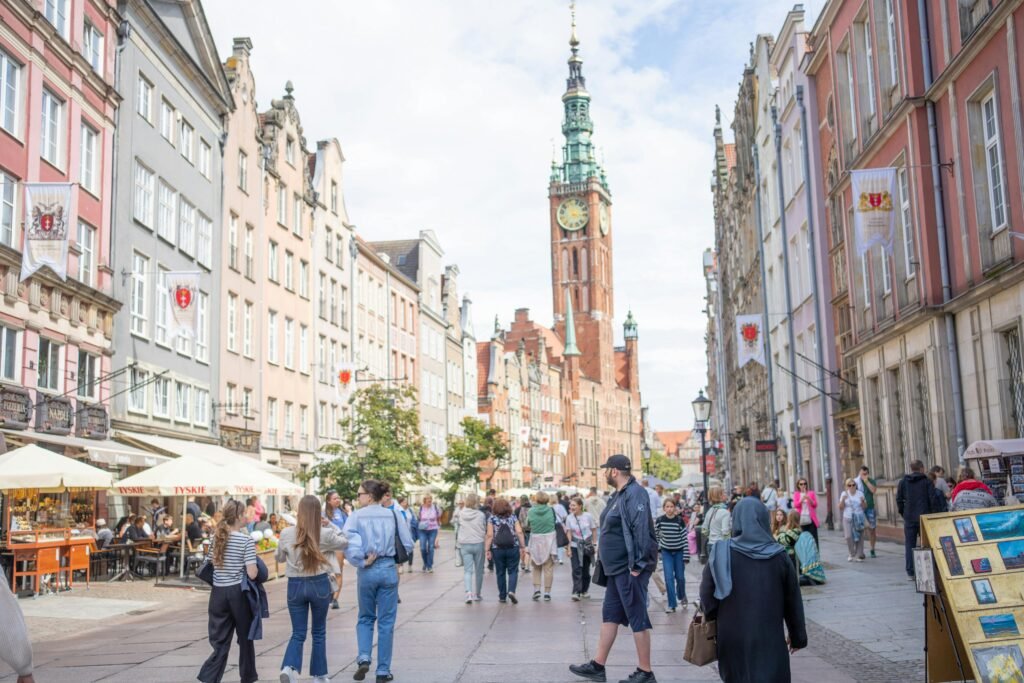
Discover the vibrant atmosphere of Long Street in Gdańsk, Poland, bustling with locals and tourists alike on a sunny day.
Uncategorized

Is an SUV Hard to Park in Gdańsk Old Town? What You Need to Know Before Booking

Introduction: The Real Problem Isn’t Driving—It’s Parking If you’ve ever tried to drive through Gdańsk Old Town, you already know the reality: driving isn’t the challenge—parking is. The cobbled streets, compact layouts, and strict parking regulations create a scenario where vehicle size becomes the deciding factor between a smooth trip and a frustrating one. Tourists often make the same mistake. They assume that renting a large SUV equals comfort, safety, and prestige. On paper, that sounds logical. In practice, especially in historic European cities, it’s the opposite. The larger the vehicle, the more limited your options become. You spend more time searching for parking than actually enjoying the destination. This is where the BMW 220i enters the conversation—not as a compromise, but as a strategic advantage. It delivers the prestige of a premium car while solving the core issue most drivers overlook: urban manoeuvrability and parking efficiency. The Polish premium automotive sector is navigating a period of unprecedented growth and structural transformation. In 2025, the market for luxury vehicles in Poland recorded a $9\%$ current value increase, reaching a valuation of $34.3$ billion PLN. 1 This expansion is driven not only by rising disposable incomes but by a sophisticated consumer demographic that increasingly prioritizes technological integration and urban maneuverability over raw scale. Within this landscape, the BMW 220i emerges as a uniquely positioned asset, particularly for residents and frequent visitors of the historic Tri-City area. The architectural constraints of Gdańsk’s Główne Miasto and the evolving regulatory pressures in Sopot have created a “compact luxury” niche that the BMW 220i is engineered to dominate Check available compact and SUV rentals with free cancellation. (Select Top Cars Below To Get the 220I) Feature BMW 220i Typical SUV Width Compact Wide Turning Radius Tight Large Parking Ease High Low Urban Manoeuvrability Excellent Moderate Stress Level Minimal High Critical Dimensions of Historic Gdańsk Arteries Automotive News Aggregators article Street Name Length Infrastructure Type Navigation Difficulty Ulica Ogarna $540$ m Historic Residential High (Width Restrictions) Ulica Piwna $290$ m Pedestrian/Commercial Extreme (Access Restricted) Ulica Szeroka $560$ m Mixed Arterial Moderate (High Turnover) Ulica Kartuska $11.7$ km Primary Outbound Low (Main Traffic Flow) Regulatory Sophistication: Decoding Parking Zones in Gdańsk and Sopot The mobility management strategies in the Tri-City area are among the most stringent in Poland. Gdańsk utilizes a color-coded sector system (ŚSPP and SPP) to regulate traffic flow and maximize turnover in the city center. Gdańsk Downtown Paid Parking Zone (ŚSPP) Structure The Śródmiejska Strefa Płatnego Parkowania (ŚSPP), particularly in sectors FSM (Main Town), FGM, and FDO, is designed to discourage long-term parking through a progressive and high-tariff pricing model. Municipal and Tourism Boards article Time Period ŚSPP (Red Zone) Rate SPP (Blue/Green) Rate First Hour $7.50$ PLN $5.00$ PLN Second Hour $9.00$ PLN $6.00$ PLN Third Hour $10.80$ PLN $7.20$ PLN Fourth & Subsequent $7.50$ PLN $5.00$ PLN Crucially, in the ŚSPP, fees are collected daily from 09:00 to 20:00, including weekends and holidays. For the driver of a luxury vehicle, the financial cost of parking is often secondary to the risk of administrative penalties. The fine for non-payment is currently $300$ PLN, and local enforcement is increasingly reliant on digital scanning vehicles equipped with cameras that automatically detect unpaid stays. Sopot’s Strategic Shift to ŚSPP Sopot has recently overhauled its parking infrastructure, introducing a Downtown Paid Parking Zone (ŚSPP) that significantly impacts the central tourist areas below the railway line. This area, comprising zones A and B, now requires payment seven days a week, a major departure from previous years where weekends were largely free. Sopot Sector Geographical Focus Payment Days Rate (First Hour) Zone A North of Monte Cassino Daily $9.50$ PLN Zone B South of Monte Cassino Daily $9.50$ PLN Zone C Moniuszki / Opera Hotel Weekdays $7.20$ PLN Zone D Jana z Kolna / Rzemieślnicza Weekdays $7.20$ PLN Technical Deep-Dive: The BMW 220i as a Specialized Urban Tool The designation of the BMW 220i as the “smart luxury choice” is supported by its technical architecture. It is not merely a smaller BMW; it is a vehicle where every engineering choice facilitates easier urban navigation. Turning Circle and Maneuverability Maneuverability is the ultimate luxury in a city like Sopot, where dead-end streets near the beach are common. The BMW 220i Coupé features a turning circle of $11.1$ meters, which is among the tightest in the premium segment. This allows for a single-maneuver U-turn in spaces where an Audi A3 or Mercedes A-Class would require multiple shunts. Model Turning Circle Length Wheelbase BMW 220i Coupé $11.1$ m $4,537$ mm $2,741$ mm Audi A3 Sedan $11.1$ m $4,493$ mm $2,629$ mm Mercedes A-Class $11.0$ m $4,419$ mm $2,729$ mm While dimensions are comparable across the “Big Three” German manufacturers, the BMW differentiates itself through its RWD (Rear-Wheel Drive) architecture in the Coupé, which traditionally allows for greater front-wheel articulation and a more dynamic steering response. Avoid tight parking stress—see available compact luxury cars now. Performance and Economic Efficiency The 220i is powered by a $2.0$-liter TwinPower Turbo four-cylinder engine, producing $135$ kW ($184$ hp) and $300$ Nm of torque. This powertrain is paired with an 8-speed Steptronic transmission, offering a refined urban driving experience. Performance Metric Value Implications for Urban Driving 0-100 km/h $7.5$ seconds Rapid merging into bypass traffic Combined Consumption $6.9$ l/100 km Sustainable daily commuting costs CO2 Emissions $159$ g/km Compliance with future CTZs Luggage Capacity $390$ L Ample for beach or shopping trips Compact vs SUV: Why Size Matters More Than Status Urban Efficiency Over Road Presence There’s a misconception that bigger equals better. In open environments, that might hold true. In historic city centres, it doesn’t. The ability to: …outweighs the perceived advantages of size. The Psychology of Stress-Free Driving Driving should enhance your travel experience, not dominate it. When you’re constantly worried about: …it shifts your focus away from enjoying the city. A smaller, well-designed vehicle eliminates that friction. BMW 220i: The Smart Alternative to SUVs Compact Dimensions, Premium Presence The BMW 220i sits in

milan cathedral, church, architecture, people, facade, building, historic, historical, cathedral, square, landmark, tourist attraction, duomo di milano, milan, europe, italy, milan, milan, milan, milan, milan, italy
Uncategorized

2026 Guide: Luxury Car Rental Milan to Lake Como Road Trips

Rent the ultimate prestige car in Milan for 2026. From executive chauffeurs to Lake Como luxury cars. No hidden fees & free cancellation. Introduction Milan operates at the intersection of finance, fashion, and performance engineering. From the polished arcades of the Galleria Vittorio Emanuele II to the winding roads of Italy by car rental, mobility is not just functional—it defines the travel experience. However, securing a premium rental car in Italy requires more than just picking a model; it requires navigating a complex logistical landscape. The process for the rental of car services in Milan is not trivial. The city enforces strict ZTL (Zona a Traffico Limitato) and Area C congestion regulations, where failure to comply results in automatic fines. Furthermore, choosing the right car rental in Italy means balancing the need for city-compliant hybrids with the power required for the Alpine foothills. This guide is structured to eliminate those risks, providing a clear roadmap for navigating Northern italy by car rental while optimizing for luxury, efficiency, and total cost transparency. You will learn how to: Top Vehicle & Service Selection For Milan The Executive Sedan (First-Class Chauffeur Service) The Exotic & Premium Convertible The Luxury SUV (Premium 4×4) The Ultimate 2026 Milan Renter’s Buying Guide What to Look For Insurance Fuel Policy Transmission Common Mistakes The 2026 Tech Factor Regional Driving Tips: Navigating Milan & The Lakes Driving in Milan is not intuitive. The Area C congestion zone restricts access to central districts during working hours. Full compliance details are available via the Automobile Club d’Italia. Not ready to drive? Book a fixed-price transfer from MXP to your hotel. Key Considerations For route planning and scenic stops, consult Lake Como Tourism. Where to Stay: Luxury Agriturismo & Grand Hotels Pairing your vehicle with the right accommodation improves logistics and security. Recommended Stays Booking via WeGoTrip enables bundling with flexible cancellation policies. Frequently Asked Questions Find answers to commonly asked questions about our products and services. Final Verdict: The Best Way to Experience Milan in 2026 For optimal results: Availability for Summer 2026—particularly premium and automatic models—is already tightening.

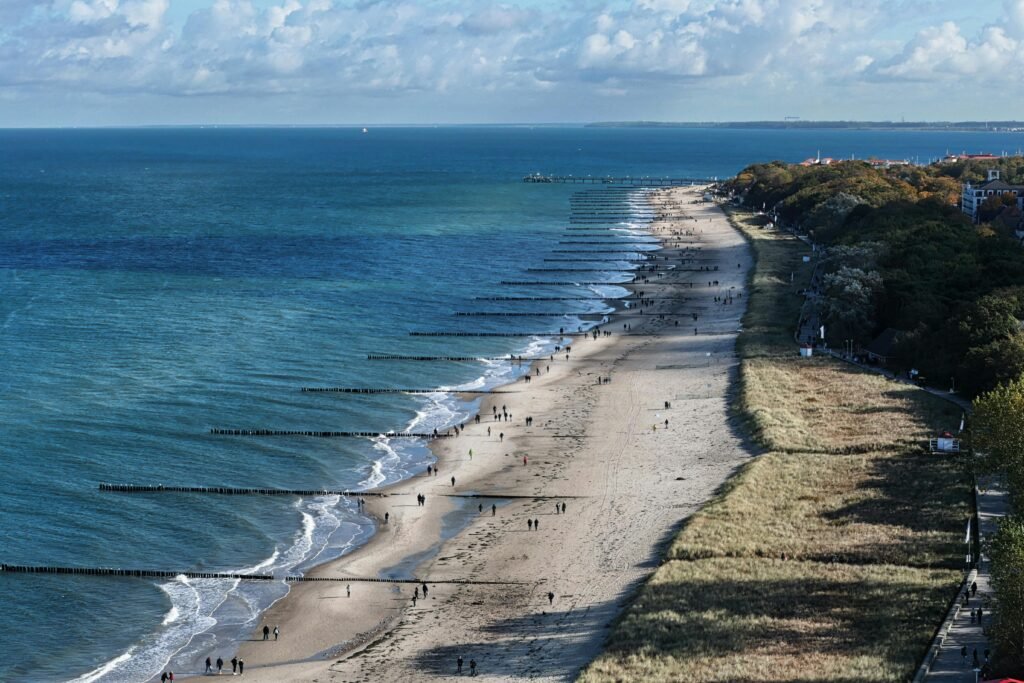
Aerial view of a serene beach with people, waves, and greenery on a sunny day.
Uncategorized

Rent a BMW 220i in Poland: Navigating the Baltic Coast 2026

Discover Poland’s Baltic Coast by car in 2026. Compare rentals with no hidden fees, free cancellation, and the best deals via Auto Europe. Introduction The classic French Riviera road trip is increasingly saturated—and priced accordingly. In 2026, demand is shifting toward Poland’s Baltic Coast, where travellers can secure the best car rental Poland Baltic coast 2026 options at materially lower cost, often with no hidden fees car rental Poland Baltic coast deals through aggregators like Auto Europe. A well-structured affordable luxury road trip Poland seaside car hire strategy converts this region into a high-efficiency itinerary, connecting Gdańsk, Sopot, Gdynia, and the Hel Peninsula with minimal friction. The key is selecting rentals that include CDW insurance (Collision Damage Waiver), Theft Protection (TP) cover, and ideally zero excess car hire Europe policies to eliminate financial exposure. Operational details materially impact total cost. Prioritise unlimited mileage car hire for coastal flexibility, confirm a fuel policy full-to-full to avoid inflated refuelling charges, and evaluate automatic vs manual transmission Europe availability—automatic vehicles remain limited and require early booking. Additionally, review car rental deposit requirements, young driver surcharge Europe clauses, and optional breakdown assistance Europe for risk mitigation. For extended routes or multi-country itineraries, assess cross-border car rental fees EU in advance. A structured Gdańsk to Sopot car rental itinerary 2026 ensures efficient routing while maintaining access to premium coastal locations without reliance on fixed public transport schedules. This guide is engineered to: Provider Best For Fleet Variety Key Benefit CTA Auto Europe Price comparison Extensive No hidden fees Check Rates Sixt Premium vehicles High-end fleet New models Check Rates Europcar Balanced travellers Medium Strong EU coverage Check Rates Local Polish Agencies Budget hires Limited Lower base rates Check Rates Top Vehicle & Provider Reviews Economy Class (e.g., VW Polo / Toyota Yaris) Key Features Pros Cons VerdictBest for solo travellers or couples on a budget. CTACheck Availability on Auto Europe Mid-Size SUV (e.g., Nissan Qashqai) Key Features Pros Cons VerdictOptimal for balanced comfort and versatility. CTAView Deals on Booking.com Luxury SUV (e.g., Lexus NX) Key Features Pros Cons VerdictBest suited for travellers seeking a premium, comfortable, and versatile driving experience without sacrificing practicality. The Ultimate 2026 Renter’s Buying Guide What to Look For Insurance Transmission Fuel Policy Common Mistakes Budget Considerations The “2026 Tech” Factor Where to Stay with Your Rental (Cross-Sell Opportunity) Pairing your car hire with accommodation increases flexibility and cost efficiency. Recommended areas: Use Booking.com to bundle hotel + car deals for discounts and simplified logistics. Regional Driving Tips & Reliability Road Conditions Tolls Parking Fleet Reliability Frequently Asked Questions Find answers to commonly asked questions about our products and services. Final Verdict: The Best Way to Rent in Poland’s Baltic Coast In 2026 For 2026, the optimal strategy is: Spring and summer inventory is already tightening. Early booking secures:

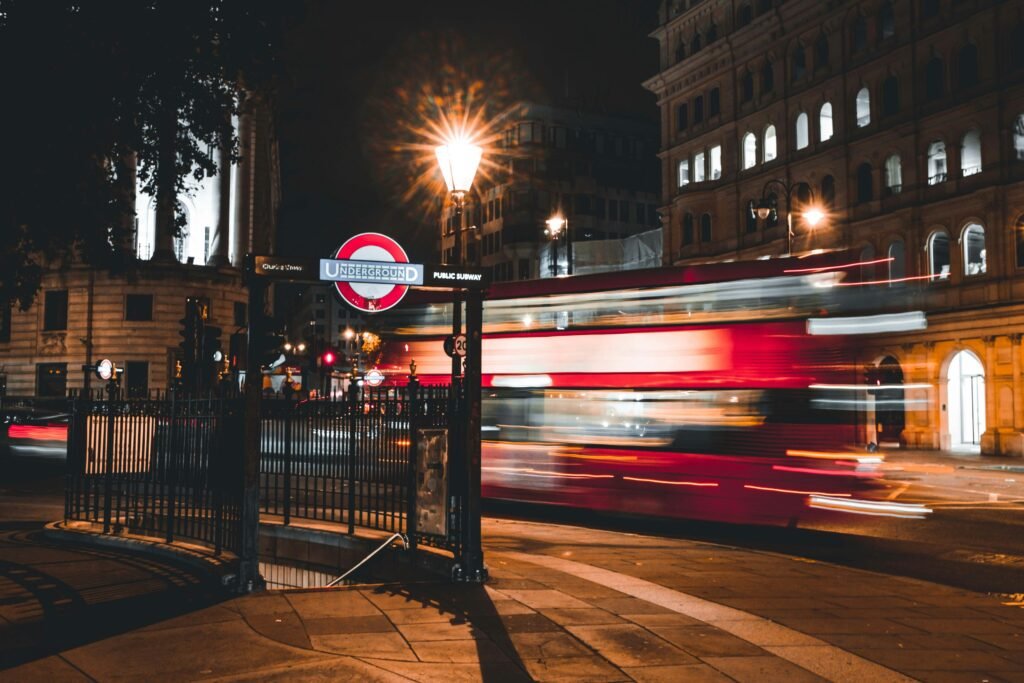
Dynamic night scene of a double-decker bus passing by an iconic London Underground entrance.
Uncategorized

London Prestige Car Hire 2026: Supercar Rentals & Heathrow VIP Transfers

Discover London’s best VIP nightlife, top clubs & luxury experiences. Learn how to get in, book tables & arrive in style. Also Stay Connected In UK with Airalo Why London Dominates the Global VIP Nightlife Scene When travellers evaluate the best nightlife London has to offer—often comparing it with global benchmarks like Dubai, Ibiza, or New York—one conclusion remains consistent: London operates at a different tier. The city has engineered a luxury nightlife experience London visitors actively seek, where exclusivity, discretion, and high-end service are integrated across every stage of the evening. This extends beyond venues alone; it’s a structured ecosystem linking fine dining, private members’ spaces, and luxury nightclubs London is globally recognised for. At the core of this ecosystem is Mayfair, widely regarded as the epicentre of exclusive clubs Mayfair and the broader network of London VIP clubs. Within a compact area, guests can transition seamlessly between Michelin-starred restaurants, five-star hotels, and the best VIP clubs in London without disrupting the flow of the night. This proximity is not incidental—it enables a controlled, high-efficiency nightlife circuit where reservations, guestlists, and VIP table service London price structures are aligned with demand and status. Understanding how to get VIP access London clubs is critical. Entry into top-tier venues such as Tape London or Cirque le Soir is managed through curated guestlists and table bookings, ensuring a refined crowd and maintaining the venue’s positioning. This controlled access model explains why pricing remains elevated, particularly in Mayfair, where minimum spends for VIP tables typically begin around £2,000 and scale significantly based on placement and demand. However, what differentiates experienced guests from casual visitors is operational planning—specifically, mobility. Navigating between venues efficiently is a defining factor in maintaining the rhythm of the night. Relying on last-minute transport introduces friction, whereas pre-arranged solutions—whether London nightlife with chauffeur or premium self-drive options—ensure continuity from dinner through to after-hours locations. From a practical standpoint, securing transport in advance allows for fixed pricing, vehicle selection (including automatic transmission), and full insurance coverage such as CDW and Theft Protection. Platforms like Auto Europe provide structured comparisons with transparent terms, eliminating uncertainty around availability and cost. Compare luxury car rental London nightlife options now — no hidden fees, free cancellation, and instant availability. → Book a luxury car now with and secure your night without disruption The Role of Mayfair in Luxury Clubbing If you strip London nightlife down to its core, everything high-end eventually points to one postcode: Mayfair. This isn’t just another nightlife district—it’s the epicenter of exclusivity, where wealth, status, and access intersect in a very deliberate way. The clubs here aren’t designed for mass appeal; they’re engineered for selectivity. You’re not just going out—you’re being curated into an experience. Mayfair’s dominance isn’t accidental. It’s built on proximity to luxury hotels, designer boutiques, and private members’ clubs. The same individuals dining in Michelin-starred restaurants at 9 pm are often sitting at VIP tables by midnight. This ecosystem creates continuity in luxury, which is why VIP nightlife in London feels cohesive rather than fragmented. From a structural perspective, venues here operate on controlled access. Guestlists, table bookings, and promoter relationships are central to entry. According to industry data, VIP table minimum spends in Mayfair typically start around £2,000 and increase significantly for prime locations. That price point alone filters the crowd, ensuring a specific social and financial demographic. What Defines a True VIP Experience Let’s be precise: VIP isn’t just about skipping queues. It’s a layered system of privilege. You’re buying space, visibility, service, and social positioning all at once. The table becomes your base of operations—your territory within the club. A proper VIP experience includes: But the intangible element matters more. It’s about being seen without trying. London clubs excel at this subtle balance—nothing feels forced, yet everything is orchestrated. Luxury Heathrow Airport Transfers 2026: Private Chauffeur to London Hotels What to Expect from VIP Nightlife in London VIP Table Culture and Pricing VIP tables in London operate on a minimum spend model. You’re not paying for the table itself—you’re committing to spend a certain amount on drinks. This often starts at £1,000–£2,000 and scales upward depending on group size, night, and table location . The closer your table is to the DJ booth or central dance floor, the higher the spend requirement. Peak nights—Fridays and Saturdays—can easily push premium tables into significantly higher tiers. It’s a supply-and-demand equation where scarcity drives perceived value. Dress Codes and Entry Policies London VIP clubs are strict—deliberately so. Think tailored, polished, intentional. Trainers might pass in some venues, but only if they’re high-end and styled correctly. The goal is visual consistency. Clubs curate their crowd like a fashion editorial. Entry is also relational. Even with money, access isn’t guaranteed. Promoters and concierge services often act as gatekeepers, ensuring the venue maintains its desired atmosphere. 1. Tape London – The Celebrity Playground Why Tape London Is Always Fully Booked Tape London has positioned itself at the intersection of music and celebrity culture. It’s not just a nightclub—it’s a recurring headline. Artists like Travis Scott and Cardi B have been known to pass through, reinforcing its reputation as a global hotspot . The venue itself is relatively intimate, which amplifies exclusivity. Limited space means limited access, and that scarcity drives demand. If you’re inside, you’re part of a controlled environment where everyone matters. VIP Experience Breakdown VIP at Tape is about proximity—to the DJ, to celebrities, to the energy. Tables are tightly integrated into the dancefloor, so you’re never isolated from the action. Bottle presentations are sharp but not overly theatrical—this place leans more towards authenticity than spectacle. Expect: 2. Cirque Le Soir – The Wild Luxury Spectacle Entertainment Meets Excess Cirque Le Soir flips the traditional club model. Instead of focusing purely on music, it builds an immersive experience. Think performers, fire acts, and unpredictable visuals layered into the night . It’s chaotic—but controlled chaos. That’s the appeal. VIP Table Strategy VIP here is about vantage point. You want

Scroll to Top